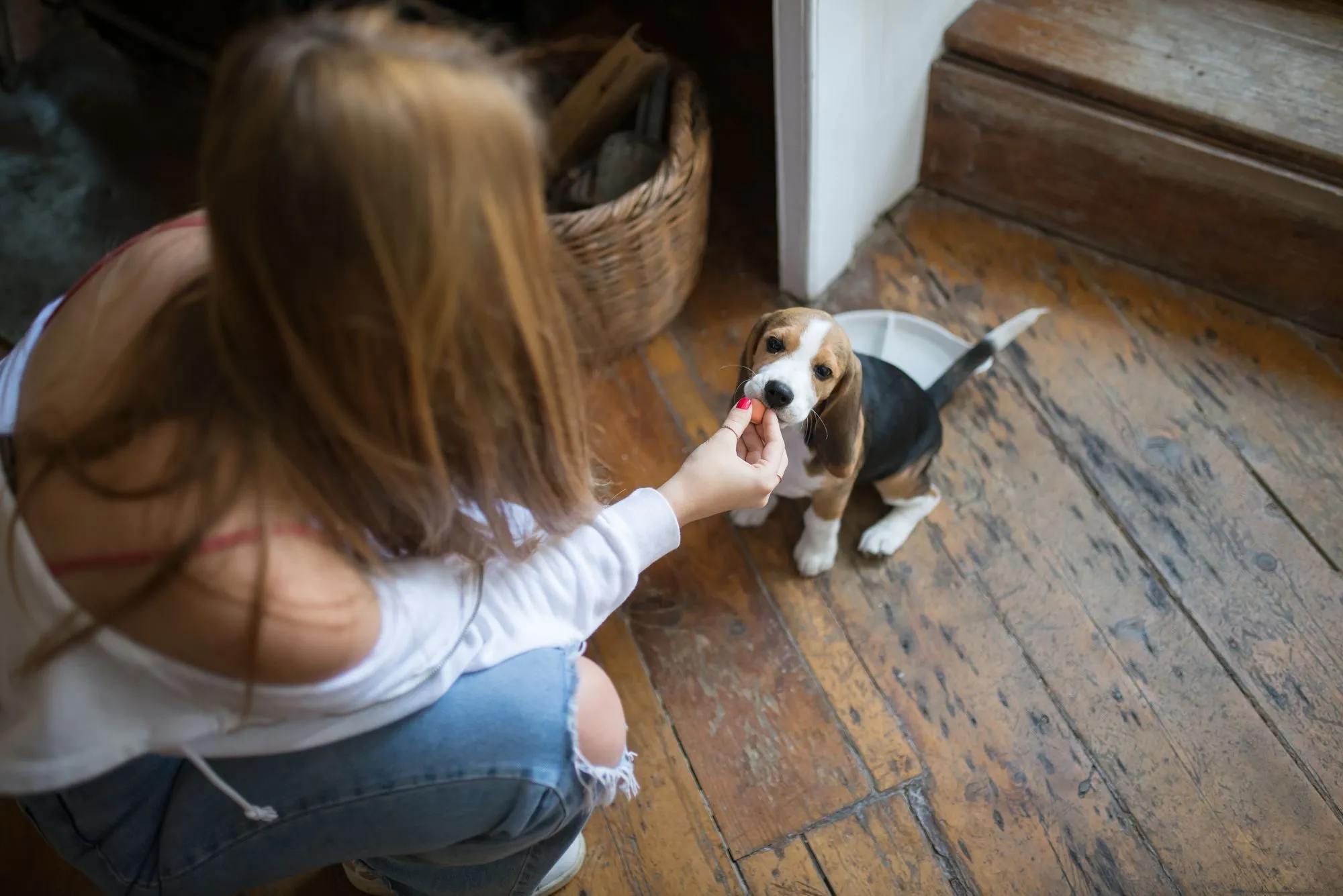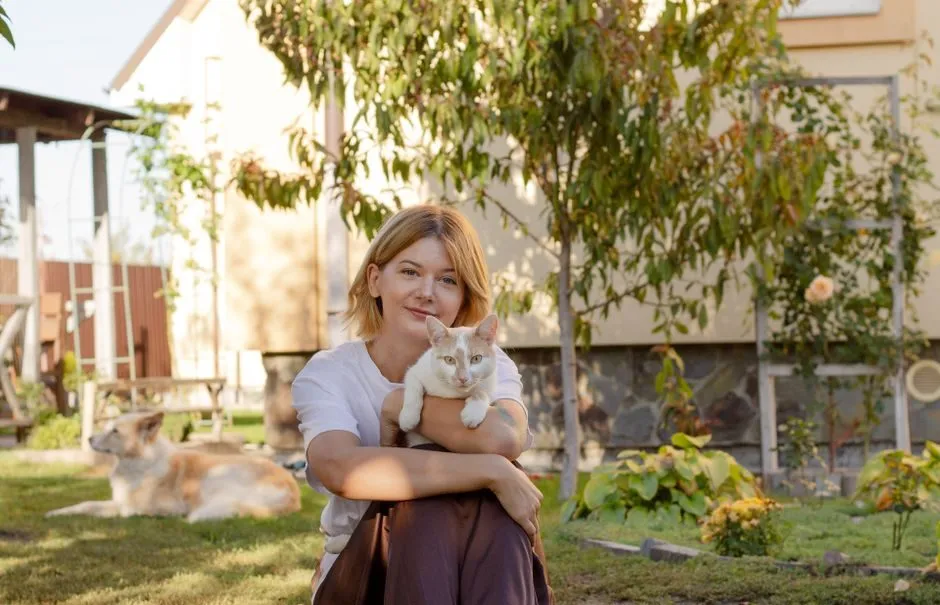
As the crisp air and rainy days of October settle into Tomball, TX, pet owners often find themselves wondering how best to keep their dogs and cats comfortable, healthy, and stress-free through the seasonal shift. Fall in our area can bring unpredictable weather, dampness, and cooler nights that may pose unique challenges for your four-legged companions. At Wild Magnolia Mobile Vet, we understand how important it is for your pet to feel safe and well cared for in the comfort of your own home, especially as the seasons change. This guide will walk you through recognizing weather-related signs of discomfort in your pet, understanding why fall brings new health considerations, and steps you can take to ensure your dog or cat’s wellbeing this autumn. With our mobile veterinary team serving Tomball and surrounding communities, you can enjoy the convenience of in-home care and personalized advice tailored to your pet’s needs. Whether you are looking for tips to prepare your home, wondering about seasonal allergies, or considering a fall wellness visit, you will find practical and compassionate guidance right here.
Recognizing Signs Your Pet Is Struggling with Fall Weather
The arrival of cooler, rainy weather can be a welcome relief from Texas summers, but it also brings its own set of challenges for pets. Some dogs and cats adjust quickly; others may show subtle or not-so-subtle signs that the fall environment is affecting their comfort or health. Common signs that your pet may be struggling with the cooler, damper weather include shivering, hesitancy to go outside, seeking warmth more often, or changes in behavior such as increased vocalization or hiding. For many pets, rainy conditions can also lead to muddy paws, damp fur, and an increased risk of skin irritation or infections. Cats may refuse to use a wet litter box, while dogs might try to avoid walks when the ground is cold or soggy.
In addition to temperature-related discomfort, some pets develop seasonal allergies or skin conditions as mold spores, damp grass, and decaying leaves increase in the environment. Symptoms such as persistent licking, scratching, red or inflamed skin, and ear irritation are signs that your pet may be reacting to the change in weather. If you notice any of these behaviors or symptoms, it may be time to consider supportive measures at home or consult with your veterinary team for further evaluation. For more details about managing skin concerns as the seasons change, our pet dermatology care for weather-related issues can help address specific conditions.
Why Do Cooler, Rainy Conditions Affect Pets?
Understanding why fall brings new challenges for dogs and cats starts with recognizing how seasonal weather impacts their bodies and routines. Cooler temperatures can be especially hard on pets with thin coats, arthritis, or other chronic conditions. Dampness and rain can chill pets more quickly than dry air, making it uncomfortable or even unsafe for some animals to be outside for extended periods. As outdoor conditions change, pets may spend more time indoors, which can disrupt their regular exercise and mental stimulation routines.
The increase in allergens such as mold, mildew, and decaying plant material during the fall can trigger or worsen skin allergies, especially in sensitive pets. Wet weather also creates ideal conditions for fleas and ticks to remain active longer, which means that preventive care is just as important in autumn as it is during spring and summer. Additionally, older pets might experience more pronounced stiffness or joint discomfort when the weather turns chilly or damp.
The shift to more time indoors can sometimes lead to behavioral changes, including increased anxiety, boredom, or even accidents in the house if a pet refuses to venture out into the rain. Understanding these underlying factors allows you to proactively address your pet’s needs and keep them comfortable as the weather shifts.
Supporting Your Pet with Professional Care: What to Expect from In-Home Visits
The benefits of in-home veterinary care become especially clear as the weather changes. When you invite Wild Magnolia Mobile Vet to your home, you and your pet can avoid stressful car rides and waiting rooms, minimizing anxiety and exposure to the elements. Our veterinary team provides comprehensive wellness and vaccination services at home, making it easy to keep your pet’s preventive care on schedule without ever leaving your living room.
During a fall wellness visit, expect our veterinarians to perform a thorough physical exam, discuss any seasonal health concerns, and recommend tailored preventive measures based on your pet’s age, lifestyle, and medical history. For pets with chronic issues such as arthritis or skin allergies, we can adjust medications, suggest environmental modifications, or recommend additional diagnostics to ensure optimal comfort through the season. For example, senior pets may benefit from senior pet care that focuses on joint health, pain management, and monitoring for weather-related changes in mobility.
If your dog or cat is experiencing skin irritation, itching, or other dermatological issues, our team can provide allergy management strategies to alleviate discomfort and prevent complications. In-home visits give us a unique opportunity to observe your pet’s environment, which can help us identify triggers and offer customized advice for your specific situation.
Home Care Tips: Keeping Your Pet Comfortable This Fall
There are many steps you can take at home to help your dog or cat adjust comfortably to cooler, rainy weather. Start by ensuring your pet has access to warm, dry bedding away from drafts and dampness. Consider placing beds in elevated, cozy spots and providing extra blankets or heated mats for older pets or those with thin coats. Dry your pet’s fur and paws thoroughly after outdoor walks to prevent skin infections and irritation. For cats, make sure litter boxes are clean, dry, and placed in a warm area to encourage use during rainy days.
Exercise remains important even when the weather is less inviting. For dogs, try shorter but more frequent walks, use raincoats if your pet tolerates them, and wipe down paws and bellies after outings. Indoor play, puzzle toys, and training sessions can provide mental stimulation when outdoor time is limited. Cats benefit from interactive toys, window perches, and scratchers to keep them active and engaged indoors.
Continue your pet’s flea, tick, and heartworm prevention throughout the fall, as these parasites can remain active well into the cooler months. If you notice any signs of itching or skin irritation, early intervention is important; our team can recommend flea and tick prevention options that suit your pet’s needs and lifestyle. For pets with known allergies, keeping windows closed on high-pollen days and using air purifiers may help reduce exposure to irritants.
Monitor your pet for changes in appetite, mobility, or behavior, as these can indicate discomfort or emerging health issues. Regular wellness visits, even in the fall, help catch potential problems early and give you peace of mind as the weather changes.
When to Seek Veterinary Care for Fall Weather Concerns
Some seasonal changes are normal, but there are times when professional veterinary care is essential for your pet’s health and safety. Contact your veterinarian promptly if your pet shows persistent shivering, reluctance to move, loss of appetite, or signs of pain such as limping or whining. Symptoms such as ongoing skin redness, severe itching, hair loss, or sores should never be ignored, as they can indicate allergies, infections, or other medical conditions that require prompt attention. Pets with chronic conditions like arthritis may need medication adjustments or additional therapies as the weather cools.
If you suspect your dog or cat is struggling with a respiratory issue, such as coughing, sneezing, or labored breathing, seek veterinary evaluation to rule out infection or more serious problems. Senior pets who seem increasingly stiff, weak, or disoriented during cold snaps may benefit from a comprehensive physical exam to assess their overall health and comfort.
One of the greatest advantages of mobile veterinary care is the ability to observe and address your pet’s needs in the comfort of your own home, eliminating travel stress and making care more accessible for pets who dislike the car or become anxious in unfamiliar environments. If you are ever unsure whether your pet’s symptoms require attention, our veterinary team is always happy to provide guidance or schedule an in-home visit to put your mind at ease.
Bringing It All Together: Supporting Your Pet with Local, In-Home Veterinary Care
Preparing your pet for the cooler, rainy days of fall does not have to be stressful. With a few thoughtful adjustments at home and the support of a dedicated veterinary team, you can ensure your dog or cat remains healthy, comfortable, and happy throughout the season. Watch for signs of discomfort, maintain preventive care routines, and do not hesitate to reach out if you notice anything concerning. In-home veterinary care provides personalized, stress-free support tailored to your pet’s needs and your family’s routine.
If you are searching for a mobile vet near me to help your pet thrive this fall, Wild Magnolia Mobile Vet is here to serve families in Tomball, TX and surrounding communities. To schedule an in-home wellness visit, discuss seasonal allergy management, or address any concerns about your pet’s adjustment to fall weather, contact our veterinary professionals at (346) 672-4321. Let us help you keep your pet comfortable and healthy in every season, right in the comfort of your home.